


Locator maps inside your CUEZ rundown
The best newsroom tools are the ones that fit naturally into the way journalists already work. That’s why we’re excited to announce that Mapcreator’s Locator Map tool is now available as a widget inside Cuez.
A producer building a rundown can create a broadcast-quality locator map without leaving the environment they are already working in. No tab switching. No handover. No “Can someone in graphics make me a map of this town in Japan?” Just a map, made by the person who knows what the story needs, in the place where the story is being built.
That matters.
When news is breaking, every unnecessary step slows the story down. Producers shouldn’t have to jump between platforms, export files, or interrupt their workflow just to answer one of journalism’s most fundamental questions: Where is this happening?
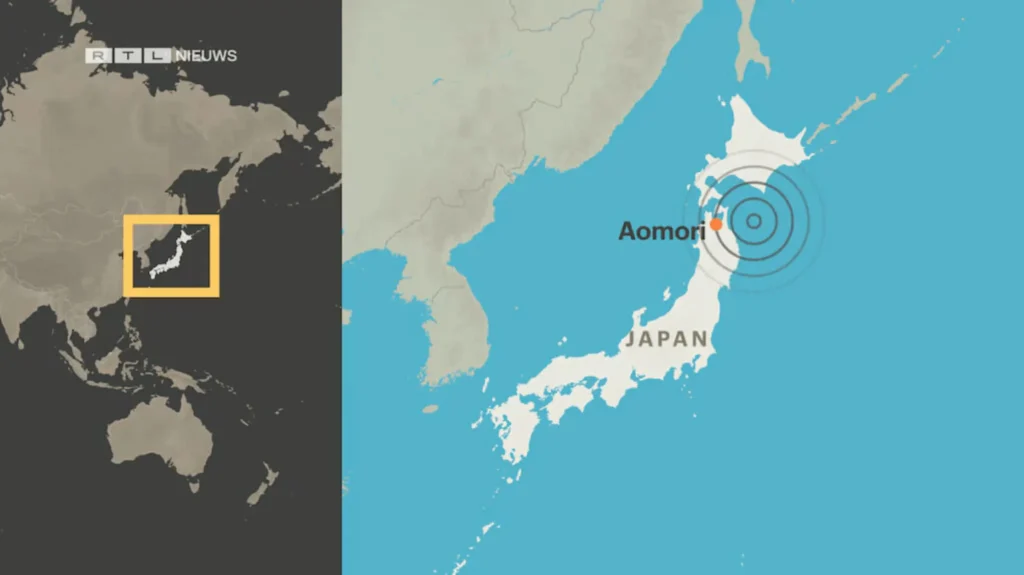
In many ways, this partnership brings together two like-minded companies. Cuez and Mapcreator are both passionate at heart, built for modern workflows, and willing to challenge a broadcast industry that has traditionally been dominated by legacy software companies.
Who is Cuez?
Cuez is the world’s first cloud-based, modern newsroom production suite designed to bring planning, scripting and production workflows together in one place. Instead of stitching together a newsroom system, a playout controller and a prompter from three different vendors and three different decades, Cuez gives teams one place to plan a show, run it, and adapt when the story changes under their feet. Which, in news, it always does.
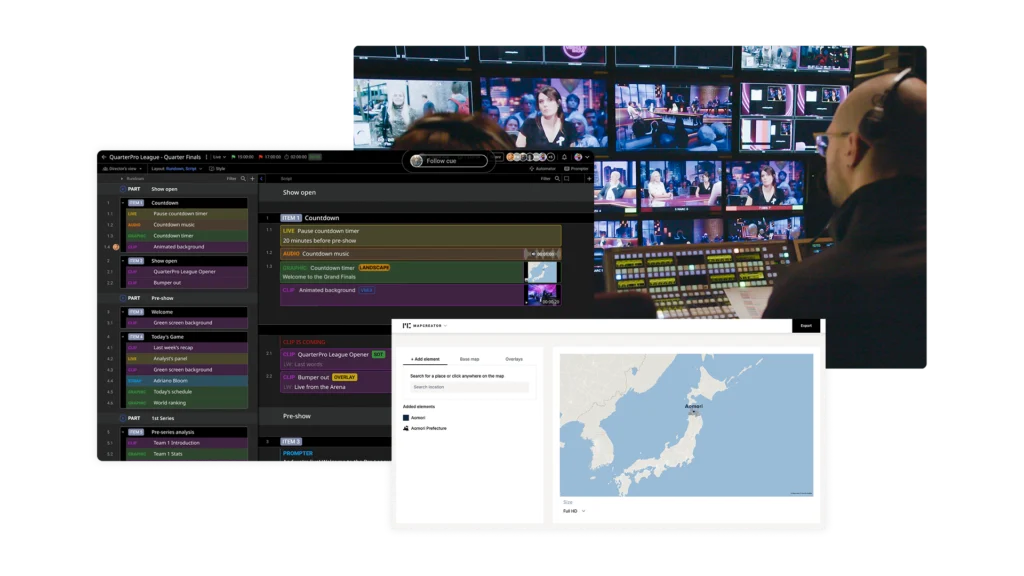
What makes Cuez interesting to us is not only the technology. It’s the philosophy. Cuez is built around the assumption that the people making television should not have to bend their workflow around their software. That’s a familiar belief in our office.
Two challengers in a market built for incumbents
The broadcast market is not famous for its openness. It is a market of long procurement cycles, proprietary formats, expensive integration projects and vendors whose product roadmap is measured in decades. There are good reasons for some of that. Live television is unforgiving, and reliability earns trust. But conservatism has a cost, and newsrooms have been paying it for years in the form of tools that are slower than the news itself.
Cuez and Mapcreator are both considerably more restless than the companies that have traditionally set the terms here. We both build cloud-first. We both ship fast. And we both start from the same question: what does the person on deadline actually need in the next ninety seconds?
That’s why this integration took weeks rather than quarters. Two teams who like solving problems, talking directly to each other, with no committee in between.
Locator maps belong in the everyday toolkit
A great locator map provides instant geographical context. It helps audiences understand a story in seconds and turns “something happened somewhere” into a story people can actually place in the world. We’ve preached about it a lot.
Now, with the Mapcreator intergration in Cuez, creating that context is easier than ever.
Look at the average news bulletin and count the stories that are, at heart, about a place. An evacuation. A strike. A flood. In every one of those stories, a viewer’s first unspoken question is where. A locator map answers it in two seconds, faster and more precisely than any anchor read can.
Thus, a map should not be a special occasion. It should be as ordinary in a newsroom as a lower third: available to everyone, on brand, correct, and ready before the story goes to air. That means accurate geographic data, sensible cartography, your own house style baked in, and rendering that takes seconds rather than an afternoon of nudging labels.
What this looks like in practice
Open the Episode in Cuez Rundown. Add a Graphic element to your item and select Mapcreator. Search for the location, set the zoom and send the finished map automatically back into the rundown.
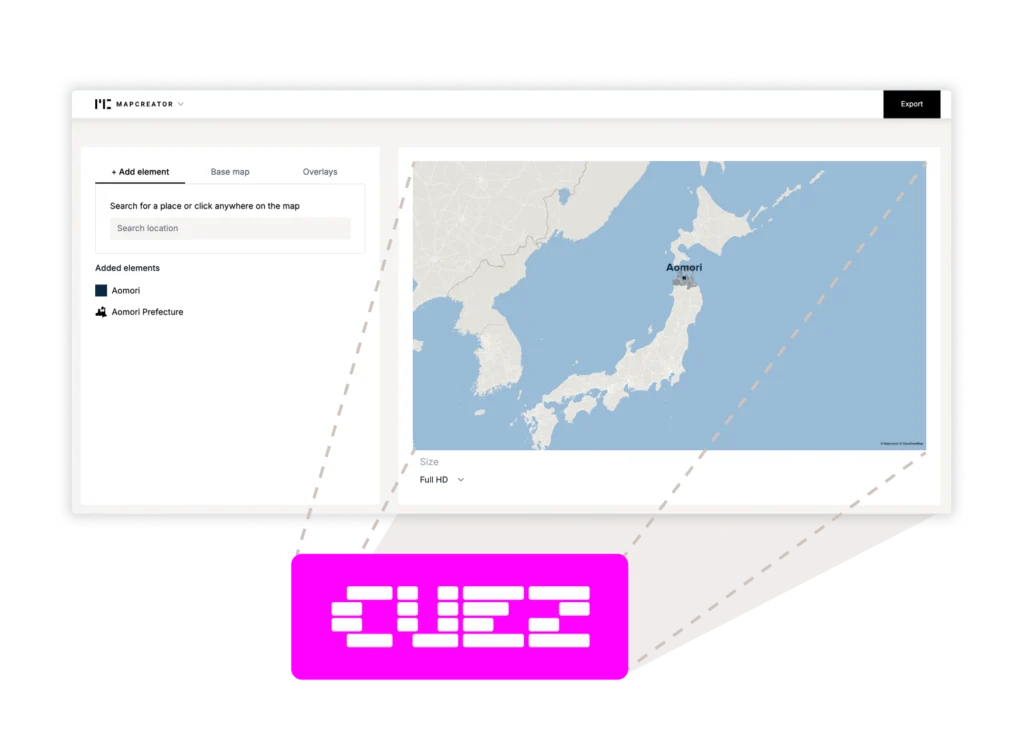
That’s it.
It is the same Mapcreator output your graphics team already trusts, produced by whoever happens to be closest to the story. Fewer steps between knowing something and showing it. That’s the whole point.
Stay focused on the story. Put the world on the map.
Don't forget to share this post!
Deeper understanding of maps
For mapping tips, updates, and deep dives for the cartographically curious.
POV: Should have been a static map
Interactive maps are powerful. They let readers zoom, pan, click, explore, and discover details at their own pace. But not...
Read more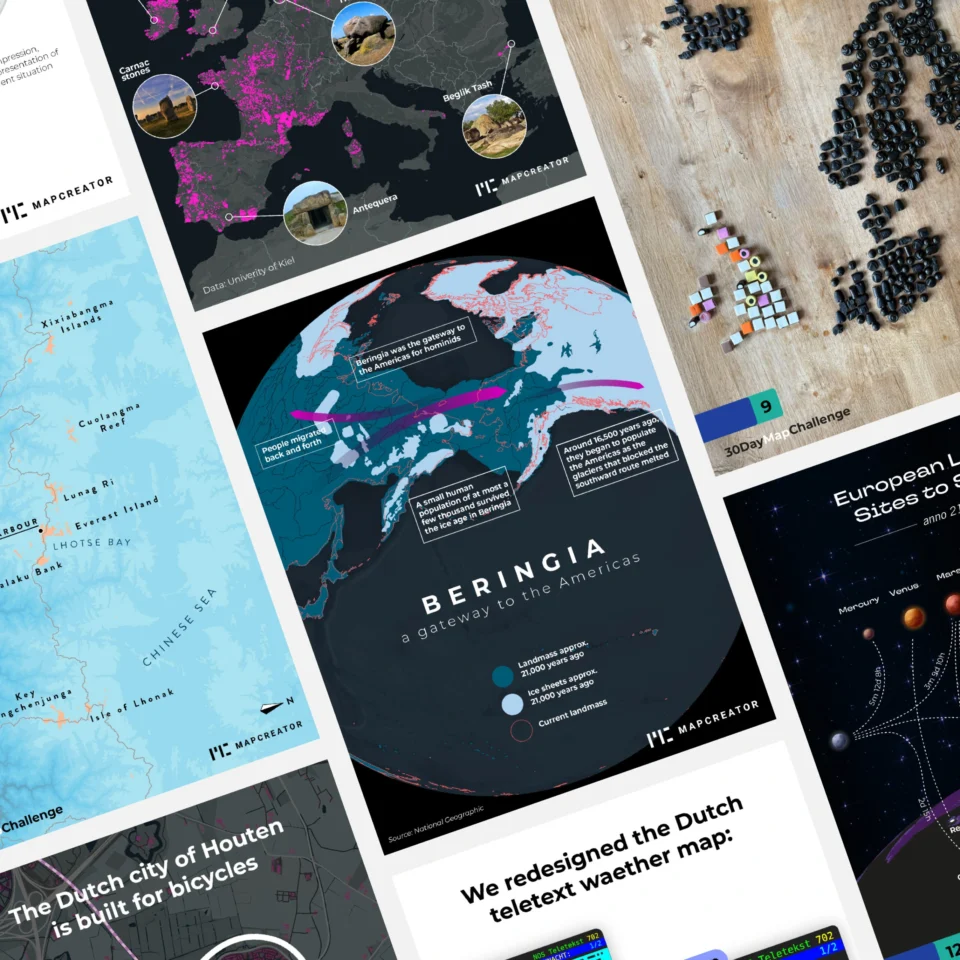
How influencers create maps that start conversations
Graphic designer, geo-influencer and Mapcreator ambassador Frans van der Vleuten uses maps to turn curiosity into conversation. We spoke with...
Read more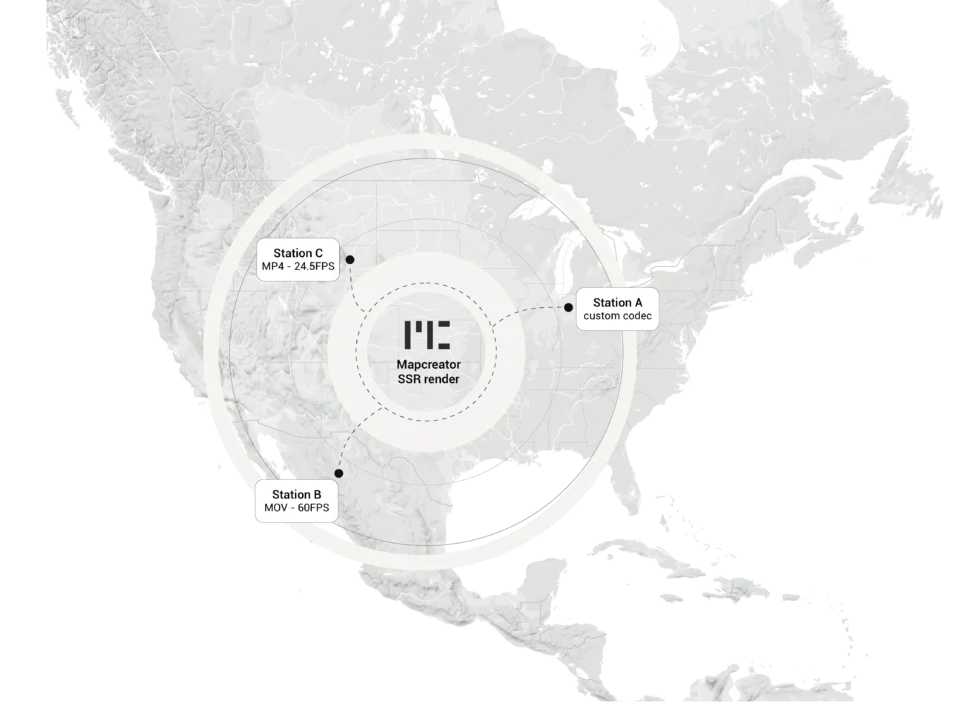
Cloud Rendering: size and speed do matter
For years, Mapcreator has made it easy to get maps out of the tool in whatever format your production workflow...
Read more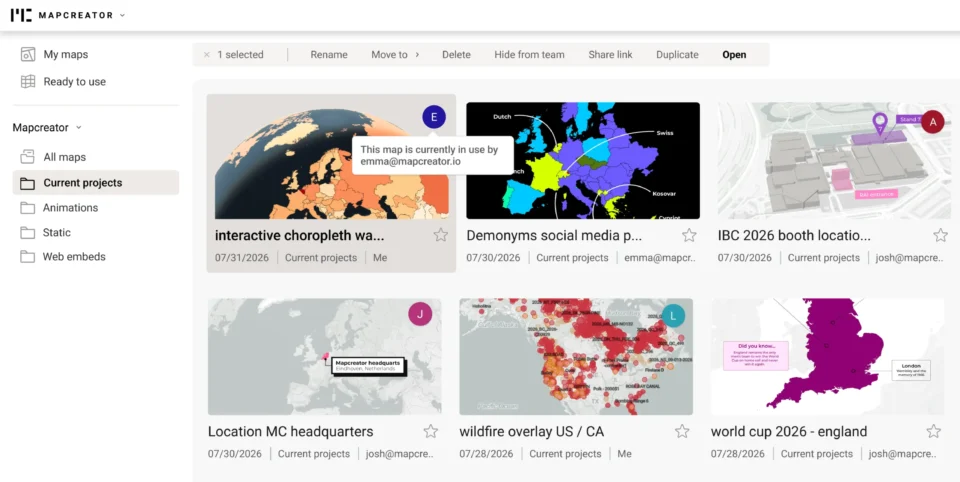
Co-editing is here: Maps now move between teammates
Some map designs start with one person and stay that way. Nice and tidy. Others? Not so much. Maps rarely...
Read more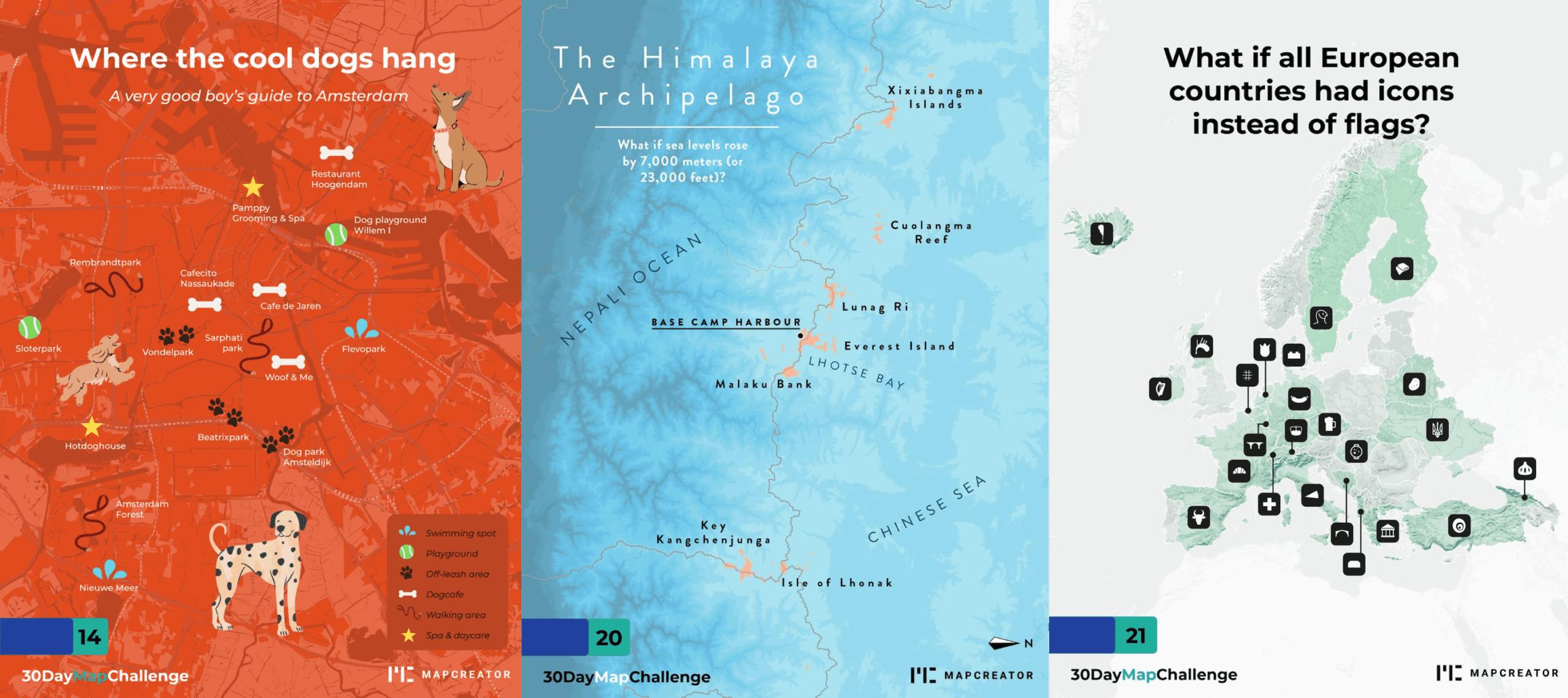
What the 30 Day Map Challenge taught us about creativity (and Mapcreator)
Every November, cartographers, designers, and data nerds gather around the same global campfire: the 30 Day Map Challenge. The rules...
Read more
Import a spreadsheet with automatically numbered icons
If you’re manually placing numbered icons one by one onto a map, stop right there; we need to have a...
Read more


